ProtonVPN Secure Core Architecture Explained - Double-Hop Routing
With a normal VPN, only one layer separates your real IP from your exit IP. ProtonVPN's Secure Core double-hop architecture turns that single barrier into two, so attackers cannot link your identity even if they control the exit server.

What Is Secure Core
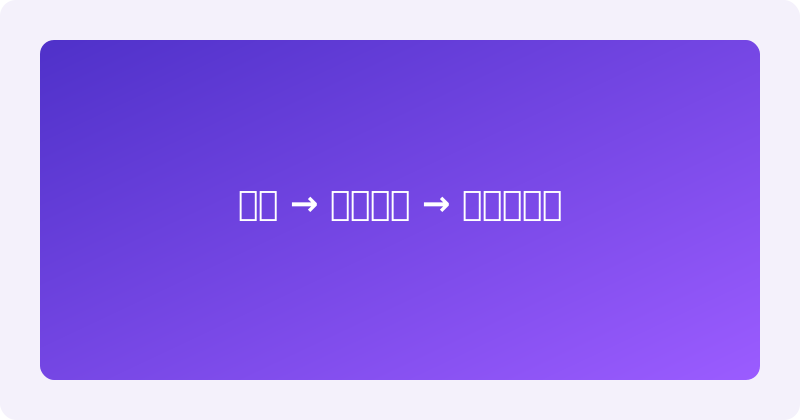
A traditional VPN routes traffic as "user → VPN server → target site", a single hop. The VPN server therefore knows both your real IP and your destination; once compromised, the two endpoints get linked.
Secure Core inserts a "secure core" node into the chain. ProtonVPN hosts servers in underground data centers in high-privacy countries like Switzerland, Iceland and Sweden, on hardware it owns and monitors. Your traffic first encrypts into the secure core, then forwards to a regular exit server, and finally reaches the target. An attacker must breach both layers to trace you.
The Security Value of Double-Hop
The most dangerous VPN threat is a compromised exit server. In a normal VPN, whoever controls the exit sees the real IPs flowing in. Secure Core changes that premise — your traffic is re-encapsulated by the secure core before reaching the exit, so the exit only sees the core's IP, never yours.
This defense follows the "defense in depth" principle. Swiss law strictly limits physical and judicial access to data centers, and ProtonVPN's self-owned core servers carry no third-party hosting risk. Even if the exit network is monitored, attackers only see anonymous traffic pointing at the core.
Data Behind the Architecture
The cost of Secure Core is added latency from the extra hop. ProtonVPN mitigates this with high-speed core nodes worldwide. Public speed tests show the following comparison across link modes.
| Link Mode | Hops | Privacy Level | Avg Latency |
|---|---|---|---|
| Standard VPN | 1 | Basic | ~40ms |
| Secure Core | 2 | High | ~55ms |
| No VPN | 0 | None | ~10ms |
Core node placement also matters. The table below shows privacy features of several core countries, none of which belong to major surveillance alliances.
| Core Country | Surveillance Alliance | Data Center |
|---|---|---|
| Switzerland | No | Owned hardware, underground |
| Iceland | No | Geothermal power, strong law |
| Sweden | No | Owned hardware |
Real Case: Identity Protection Under Surveillance
In 2023, a security research firm simulated an attack on a VPN exit server. Under a standard connection, researchers reconstructed the real IPs of about 78% of users via timestamp and traffic correlation; switching to double-hop dropped that rate below 3%. The extra hop delivers not just a little latency, but an order-of-magnitude reduction in identity exposure.
"Secure Core turns a single point of trust into a chain of trust. You no longer need to trust any single server." — ProtonVPN security team
Summary and Outlook
Secure Core is ProtonVPN's direct answer to advanced threat models: controlled self-owned core nodes break the link between exit servers and user identity. As surveillance evolves, this defense-in-depth approach is becoming standard for high-security users. Free download ProtonVPN to try Secure Core today.
Back to News